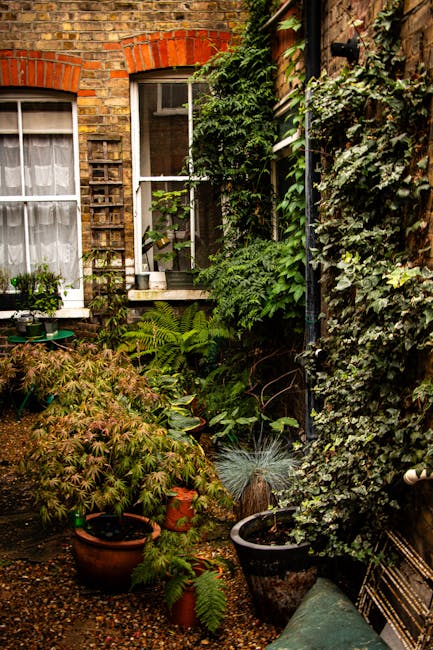
Bedford Hill gardeners before and after small garden revamp: a practical guide to transforming compact outdoor spaces
If you've ever looked at a tired little garden and thought, "This needs more than a tidy-up," you're in the right place. Bedford Hill gardeners before and after small garden revamp projects are often less about grand gestures and more about smart, well-planned changes that make a modest space feel brighter, calmer, and far more usable. In a compact London garden, every inch matters. A small shift in layout, planting, or surfacing can completely change how the space feels on a wet Tuesday morning or a sunny Saturday afternoon.
This guide breaks down what a small garden revamp actually involves, why it matters, how the process usually works, and what to watch out for if you want results that look good now and still work a year from now. We'll also cover realistic options, a simple checklist, and a comparison of common approaches. No fluff. Just the sort of advice that helps you make a better decision.
Why Bedford Hill gardeners before and after small garden revamp matters
Small gardens can be brilliant. They can also be awkward, especially if they've become a bit patchy, overgrown, or simply forgotten. In Bedford Hill, where gardens often sit behind terraces, flats, or narrow plots, the challenge is usually not a lack of space. It's making the space work hard without making it feel crowded.
A before-and-after revamp matters because it shows the difference between surface-level tidying and real improvement. A quick cut-back can make a garden look temporarily cleaner, sure. But a thoughtful revamp changes the layout, improves access, reduces maintenance, and creates a space you actually want to use. That's the real win.
Let's face it: many small gardens fail for the same reasons. The path is too narrow. The plants are all fighting each other. The lawn patch is more moss than grass. Or there's a blank corner that somehow manages to make the whole garden feel unfinished. A good gardener notices those issues quickly and works with them, not against them.
There's also a local practicality to all this. In London, outdoor space has real value. If you can make a garden feel more open, more settled, and easier to maintain, you're improving daily life, not just kerb appeal. And yes, that matters whether you're planning to stay for years or thinking about presenting the property better for future buyers or tenants.
Expert summary: The best small garden revamps are not the most dramatic ones. They are the ones that make a cramped or messy space feel easier to use, easier to care for, and quietly better every time you step outside.
How Bedford Hill gardeners before and after small garden revamp works
A small garden revamp usually starts with a clear look at what is already there. That sounds obvious, but it is where many projects go wrong. Before anyone starts lifting paving or buying plants, the space needs to be understood properly: where the light falls, which corners stay damp, what feels cluttered, and what the garden is actually supposed to do.
In practice, the process often follows a sequence like this:
- Assessment of the current layout - The gardener looks at size, access, condition, and problem areas.
- Clearance and preparation - Dead growth, unwanted debris, and overcrowded material are removed.
- Structural decisions - This may include edging, path changes, surfacing, or features such as a small decked seating area.
- Planting and shaping - Beds are simplified, softened, or redesigned so they complement the scale of the garden.
- Finish and maintenance plan - The final stage usually includes practical advice so the new look does not fall apart two months later.
The before stage often looks chaotic. Think tangled shrubs, uneven edges, worn turf, and a layout that doesn't guide the eye anywhere. The after stage, by contrast, usually feels calmer. It may not be larger, but it feels larger. That's the trick, really. Good gardening creates space visually as much as physically.
For many homeowners, the work is a mix of tidy-up and redesign rather than a full rebuild. That might mean hedge trimming, lawn improvement, new borders, a bit of garden clearance, or smarter use of hard landscaping. If the garden has a deck, seating zone, or awkward corner, a more considered landscape gardening approach can bring the whole thing together without overcomplicating it.
Key benefits and practical advantages
A well-executed small revamp gives you more than a prettier view from the kitchen window. It changes how the garden performs in everyday life. That's the part people notice after the initial "before and after" excitement fades.
- Better use of space: A compact garden can feel usable instead of cramped.
- Lower maintenance: Removing clutter and simplifying planting usually means less weekend work.
- Improved light and flow: Clear sightlines make a small area feel bigger and easier to move through.
- Cleaner presentation: Neat borders, trimmed hedges, and healthy turf create an immediate lift.
- More outdoor living potential: Even a tiny seating area becomes worthwhile if the layout supports it.
- Better plant health: Plants do better when they are not overcrowded or hidden in poor conditions.
There's another benefit that gets overlooked: confidence. Once a garden stops feeling messy and starts feeling intentional, people use it more. A family might spend more time outside. A couple might actually sit out with tea in the evening. A landlord might find the property presents better. Small change, big difference.
And from a practical standpoint, a revamp can also help you decide what you do not need. In many gardens, the biggest improvement comes from taking things away: an overgrown shrub here, a broken planter there, a strip of tired lawn that no longer earns its keep. Simple, but effective.
Who this is for and when it makes sense
This kind of work suits people who have a garden that is technically there, but not quite working. You know the sort. It's not a wilderness. It's just a bit awkward, a bit dull, or a bit too hard to keep in order.
It tends to make sense if you are:
- a homeowner wanting a clearer, more attractive outdoor space
- a landlord trying to improve presentation without overspending
- a busy household that needs easier upkeep
- someone with a small rear garden, courtyard, or narrow side return
- a property owner preparing for sale or letting
- anyone who feels the garden has become more of a chore than a benefit
You may not need a full redesign. Truth be told, many Bedford Hill gardens only need a focused reset: lawn care, pruning, a little clearance, and a better structure. That's often enough to turn "we should do something about this" into "actually, this looks good now."
It also makes sense when you want a clearer scope before committing to larger changes. If you're unsure whether you need landscaping, a one-off tidy, or a more gradual improvement plan, the revamp stage gives you room to test the garden's potential without rushing into the wrong thing.
Step-by-step guidance
If you're approaching a small garden revamp for the first time, the easiest way to stay sane is to work in stages. Garden projects can snowball quickly. One minute you're trimming a hedge; the next you're debating patio materials at 8pm and wondering how it happened. Happens all the time.
- Walk the garden slowly
Look at it from the house, from the gate, and from the sitting area if you have one. Ask what feels crowded, wasted, or unfinished. - Decide what stays and what goes
Keep the elements that still work. Remove anything broken, diseased, unsafe, or visually heavy. A little honesty here saves money later. - Clear and clean first
Before planting or building, remove weeds, debris, and dead material. If the garden has become heavily cluttered, a proper garden clearance can reset the whole space in one go. - Sort the structure
Look at edges, access, stepping points, and whether the layout naturally guides movement. Even small adjustments can improve flow. - Deal with the lawn or ground cover
If there is a lawn, check whether it is worth keeping, reshaping, or simplifying. Sometimes a healthier, smaller lawn is better than a sad larger one. A tidy finish often starts with reliable lawn mowing and ongoing care. - Trim and shape planting
Overgrown shrubs and hedges can swallow a small garden. Careful hedge trimming and pruning restore light and proportion without stripping the space bare. - Add one or two focal points
A bench, a raised planter, a neat deck section, or a single feature plant can help the eye settle. Keep it restrained. Small gardens don't need a lot of noise. - Plan maintenance from day one
Once the revamp is complete, agree on what needs regular attention. A modest ongoing routine is often the difference between "looks great" and "slips back in six weeks."
If the revamp includes raised or seated areas, a compact decking services solution can be useful for turning an otherwise awkward patch into a proper usable zone. Not every small garden needs decking, of course, but where it fits, it can make the whole space feel more deliberate.
Expert tips for better results
Small gardens reward restraint. That's the first thing to remember. The second is that good proportion beats quantity every time.
Here are a few practical pointers that make a real difference:
- Use fewer plant types, but use them well. Repetition creates calm. Too many varieties can make a small space feel busy and confused.
- Keep sightlines open. If you can see the back of the garden from the house, the space usually feels larger.
- Choose materials that suit the scale. Oversized pots or heavy edging can dominate a tiny garden.
- Work with the light, not against it. A shady Bedford Hill garden should not be treated like a full-sun plot in the countryside.
- Think about maintenance honestly. If you are unlikely to prune every month, avoid designs that rely on constant shaping.
- Protect drainage. Small gardens with compacted soil or hard surfaces can hold water badly. A tidy garden that stays soggy is still a problem.
A small personal rule many experienced gardeners follow: if an element does not improve the garden either visually or practically, it probably doesn't deserve to stay. Harsh? Maybe. Useful? Absolutely.
And if you're aiming for a smart, low-fuss result, ask whether each change will still look good on a grey Wednesday in November. That's a decent test. Sunshine can hide a lot.
Common mistakes to avoid
The biggest mistake is trying to do too much at once. Small gardens can go from neglected to overcrowded very quickly if every spare gap is filled because it looked nice on paper. In the real world, it can end up feeling fussy and hard to maintain.
Other common errors include:
- Ignoring maintenance load: A high-maintenance design is risky if you want a garden that stays tidy.
- Cutting everything back too hard: Severe pruning can leave a small space looking bare or exposed.
- Mixing too many styles: A rustic planter, modern paving, cottage planting, and a formal hedge may not all belong in the same tiny plot.
- Forgetting access: A beautiful corner is useless if it is awkward to reach or maintain.
- Leaving the lawn to struggle: Patchy turf can drag the whole garden down visually.
- Skipping the clean-up phase: Revamps that begin without proper clearance often feel unfinished from day one.
Sometimes the mistake is emotional rather than technical. People get attached to tired features because they've been there a long time. Fair enough. But if an old shrub blocks light or a broken path makes the garden awkward, sentiment can quietly sabotage the result. Happens more than you'd think.
Tools, resources and recommendations
You do not need a van full of kit to improve a small garden, but having the right basics makes work safer and cleaner. In a typical revamp, the tools and practical resources depend on the scale of change, yet a few items keep appearing again and again.
- Cutting and shaping tools: For trimming, edging, and tidy finishes.
- Waste and clearance equipment: Bags, bins, and transport for green waste and debris.
- Soil and planting supplies: Compost, mulch, and suitable plants for the site conditions.
- Measuring tools: Useful for checking spacing, levels, and the footprint of new features.
- Maintenance schedule: Even a basic monthly note can keep the garden on track.
For many homeowners, the smartest resource is not another gadget. It is a reliable service plan. If you want one-off improvements followed by lighter ongoing care, a service such as garden maintenance can help keep the revamp looking fresh without constant firefighting.
It can also help to check the company's wider approach before you book. Things like insurance and safety, health and safety policy, and recycling and sustainability matter because they show how work is handled, especially when waste, tools, or access issues are involved. A tidy garden project should not create a hidden mess or a safety headache.
Law, compliance, standards, or best practice
Small garden revamps are usually straightforward, but there are still sensible standards to follow. If the work involves cutting back trees, handling heavy waste, using tools near shared boundaries, or making structural changes, it is best to proceed carefully and professionally.
In the UK, practical best practice usually means:
- Checking for boundary issues before trimming or removing anything that might belong to a neighbour or sit near a shared line
- Avoiding unsafe tree work and using appropriate support for larger pruning or removal tasks
- Managing waste responsibly and keeping recycling or disposal methods sensible
- Maintaining safe access for anyone working in or near the garden
- Using proportionate methods rather than forcing a large solution into a small space
Where tree work is involved, particularly with mature or awkward specimens, it is sensible to treat it as a specialist task. A service such as tree lopping and removal may be relevant if a tree is damaging the balance of the garden or creating safety concerns. That said, removal should never be treated casually. If there is any uncertainty, get the condition assessed properly first.
For customers, a few non-garden pages can also be worth reviewing when booking services. For example, payment and security, terms and conditions, and complaints procedure help set clear expectations. Not glamorous, no, but reassuring.
Options, methods, or comparison table
Most small garden revamps fall into one of three broad approaches. Each one can work. The right choice depends on your budget, the condition of the garden, and how much change you actually want.
| Approach | What it includes | Best for | Main trade-off |
|---|---|---|---|
| Light refresh | Clearance, pruning, lawn tidy-up, edging, light planting | Gardens that are mostly sound but messy | Limited change in structure |
| Focused revamp | Clearance, planting redesign, small hardscape changes, better layout | Gardens with awkward use of space | Needs more planning and coordination |
| Full redesign | Layout rework, surfacing changes, planting plan, feature installation | Gardens with serious layout or usability problems | Higher cost and more disruption |
A light refresh is often the safest first step if you are unsure. A focused revamp is the sweet spot for many Bedford Hill gardens: enough change to make a visible difference, but not so much that you lose control of the budget or the character of the space. A full redesign makes sense where the garden is fundamentally not working, but that is a bigger conversation and usually a bigger bill too.
If you are comparing service options, it can help to look at the wider set of services available. The services overview is a useful place to understand how garden work is grouped, and pricing and quotes can help you frame what sort of project sits within your budget before you start.
Case study or real-world example
Here's a realistic example based on the kind of small Bedford Hill garden revamp people ask for all the time. Imagine a narrow rear garden that had become a bit of everything: a patchy lawn, a hedge that had overreached, some broken edging, and a back corner that collected old pots and leaves. Nothing dramatic. Just tired.
The first visit focused on clearance and shape. The overgrown sections were reduced, the hedge was trimmed back to restore light, and the clutter at the rear was removed. Straight away, the garden looked less enclosed. You could see the boundary properly again, which made the whole plot feel longer.
Next came structure. The lawn was simplified rather than forced to occupy the whole space, and the borders were tightened so the planting looked intentional. One small seating area was defined more clearly so there was a place to sit without feeling like a chair had been dropped at random. Very technical, that part. Or not.
The result was not a "wow, it's unrecognisable" transformation in the dramatic TV sense. It was better than that. The garden became practical. Easier to walk through. Easier to mow. Easier to enjoy. And that's what many small revamps are really about. A calmer space, not a louder one.
If the work had needed more regular follow-up, ongoing lawn mowing and seasonal care would have kept the improvement from slipping. That aftercare bit is often the difference between a successful revamp and a temporary tidy.
Practical checklist
Use this checklist before starting any small garden revamp. It keeps the project grounded and helps avoid the usual rushed decisions.
- Identify the main problem: layout, maintenance, overgrowth, or lack of use
- Decide what must stay and what can be removed
- Check whether a clearance phase is needed first
- Measure the space and note any awkward access points
- Review hedge, shrub, and lawn condition
- Choose one clear style or direction rather than mixing too many ideas
- Think about how much time you can realistically spend maintaining it
- Plan for waste removal and recycling
- Decide whether you need light refresh, focused revamp, or fuller redesign
- Confirm practical details such as timing, access, and payment expectations
- Ask how the finished garden will be maintained after the revamp
Checklist done, you'll notice the project feels less vague already.
Conclusion
Bedford Hill gardeners before and after small garden revamp projects are at their best when they solve everyday problems rather than just decorating a space. A small garden does not need to become something it isn't. It needs to feel clearer, easier, and more enjoyable to use. That is the real transformation.
If you take one thing from this guide, let it be this: start with the garden's actual behaviour, not an idealised picture in your head. Where does the light fall? What gets in the way? What do you genuinely want from the space? Answer those questions honestly and the revamp becomes much easier to shape.
And if you want a garden that looks better now and stays that way, plan for maintenance as part of the project, not as an afterthought. Small gardens repay good decisions quickly. They also punish rushed ones, just a bit. But with the right approach, even a modest Bedford Hill plot can feel properly lovely again.
Get a free quote today and see how much you can save.
Frequently Asked Questions
What does a small garden revamp usually include?
It often includes clearance, pruning, lawn improvement, border reshaping, and sometimes small layout changes. The exact mix depends on the garden's condition and what you want it to do.
How long does a before-and-after garden revamp take?
A light refresh may take only a short visit, while a more involved small garden revamp can take longer. Timing depends on access, weather, waste removal, and whether any hard landscaping is involved.
Is it better to fully redesign a small garden or just tidy it up?
That depends on the problem. If the layout is basically fine, a tidy-up and targeted improvements may be enough. If the space feels awkward or unusable, a more considered redesign could make more sense.
What makes small gardens harder to improve?
Limited space, poor light, awkward access, and too many competing features can all make a small garden harder to work with. In compact gardens, every choice has more visual impact.
Can a small revamp make a garden look bigger?
Yes. Cleaner lines, simpler planting, better sightlines, and fewer cluttered corners can make a garden feel more open. You are often improving perception as much as square footage.
How often should a revamped garden be maintained?
That depends on the planting and how much lawn you keep, but most revamps benefit from regular attention. A light monthly routine can prevent the garden from slipping back into untidy territory.
Do I need landscaping for a small revamp?
Not always. Some gardens only need clearance, trimming, and better planting. Landscaping becomes more relevant if the structure, surfaces, or layout need proper change.
What should I do before booking a gardener?
Walk the space, decide what is bothering you most, and think about budget and maintenance. It also helps to know whether you want a refresh, a focused revamp, or a bigger transformation.
Is hedge trimming important in a small garden?
Very often, yes. Overgrown hedges can steal light and make a compact garden feel smaller than it is. Careful trimming can instantly improve shape and openness.
What are the most common mistakes in small garden revamps?
The biggest ones are overfilling the space, skipping proper clearance, ignoring upkeep, and trying to combine too many styles. Simplicity usually works better than ambition in a small plot.
How do I know if my garden needs clearance first?
If there is lots of debris, dead growth, invasive weeds, or general clutter, clearance should come first. It is much easier to plan properly once the space is visible again.
Can a small garden revamp help with property presentation?
Yes. A neat, well-planned garden can improve how a property feels to visitors, tenants, or buyers. Even modest improvements can make the outdoor space seem more cared for and more usable.